Waveshare
Ethernet / USB HUB HAT for Raspberry Pi, 1x RJ45, 3x USB
$17.95
|
In stock at supplier
This Raspberry Pi hub HAT provides more USB capability to your Pi, plus a RJ45 Ethernet port, which is great when you need a stable wired Ethernet connection...
Get notified when back in stock
Estimated Delivery
Arrives
Disclaimer
Secure checkout
This Raspberry Pi hub HAT provides more USB capability to your Pi, plus a RJ45 Ethernet port, which is great when you need a stable wired Ethernet connection.
It can work with various versions of the Pi, and the size of the board is designed to perfectly fit the Zero / Zero W / Zero WH.
Features
- 3x USB ports, compatible with USB2.0/1.1
- 1x RJ45 10/100M port, based on the RTL8152B Ethernet chip
- Onboard multi indicators, for monitoring the status of power, Ethernet, and each USB port
- Raspberry Pi GPIO interface: for connecting Raspberry Pi
- USB extended ports: USB1~USB3
- RJ45 port: 10/100M Ethernet interface
-
USB HUB interface (bottom): for connecting the HUB to the Raspberry Pi USB port
- Raspberry Pi Zero / Zero 2W / Zero W / Zero WH: connected via Micro USB connector
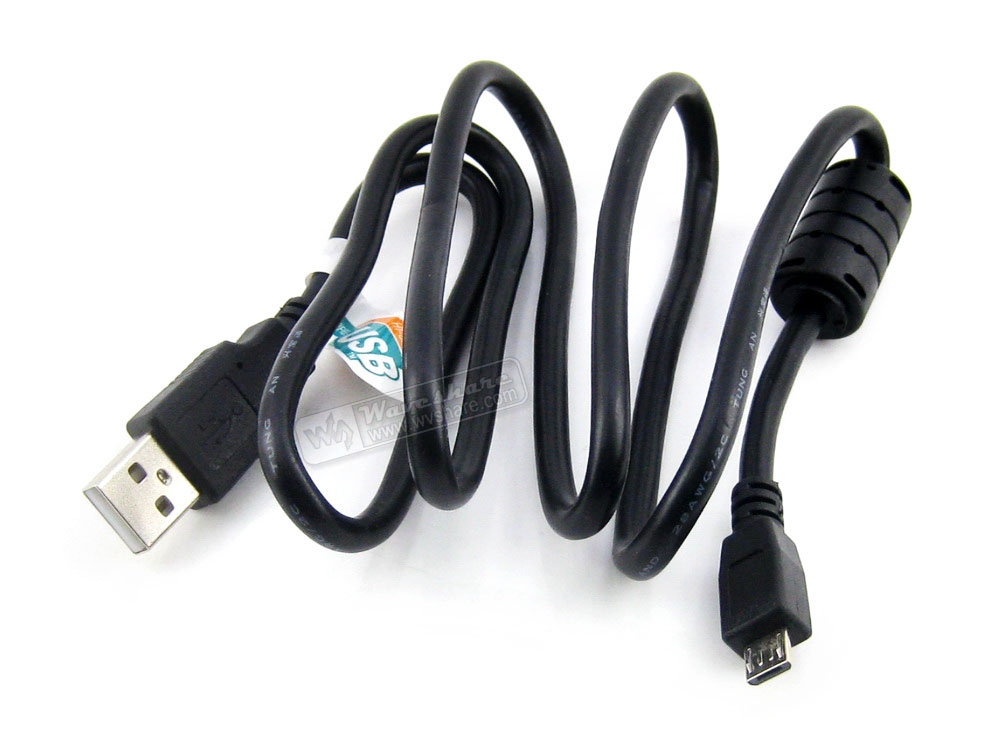
- Raspberry Pi B+ / 2B / 3B / 3B+ /4B: connected via Micro USB cable
- TS8121A: Ethernet wave filter
- RTL8152B: 10/100M Ethernet chip
- FE1.1S: USB HUB chip
-
LED indicators:
- PWR: power indicator
- ACT: Ethernet indicator
- D1~D3: dedicated indicator for USB1~USB3 respectively
Jargon buster
Plain-language definitions for the technical terms used above.
- GPIO
- General-purpose input/output pins are microcontroller pins you can set in software to read signals, switch devices on and off, or connect to peripherals. The number of GPIO pins matters because it limits how many buttons, LEDs, sensors, and other parts you can wire directly to the board.
- LED
- A light-emitting diode (LED) is a small electronic component that emits light when current flows through it in the correct direction. Because it only conducts one way, its polarity matters, and a through-hole LED must be soldered the correct way around to light up.
- RJ45
- The common plug and socket style used for wired Ethernet network cables. If a board has an RJ45 connector, you can usually plug it into standard Ethernet cabling without making a custom connector.
Find this product in
Raspberry Pi
Related Tutorials
Free step-by-step guides