

Little Bird
Crack the Code Take-home Set (WITHOUT Uno Board)
The Crack the Code Take-Home Set is an Arduino-compatible electronics kit designed for students to continue learning at home. With the included components, s...
Get notified when back in stock
Crack the Code · Interactive learning path
See it in 3D.
Build it step by step.
Bring your kit to life with 20 guided projects. Start with your first blinking LED, then explore sensors, sound and a working pedestrian crossing.
Explore the parts. Follow the steps. Make something happen.
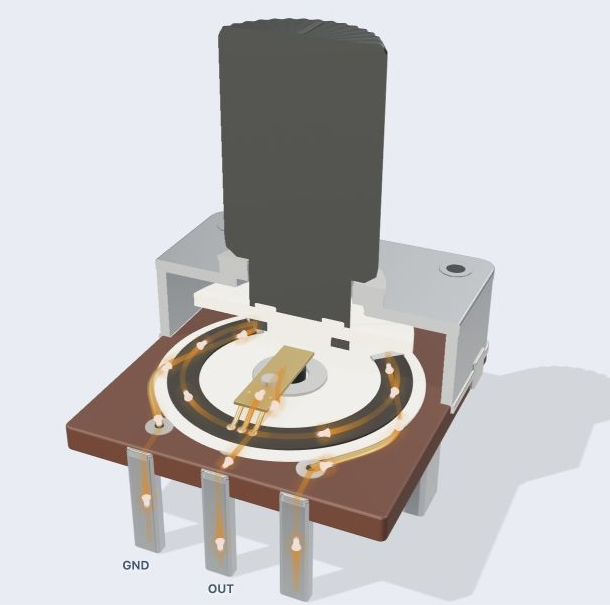
Electronics you can explore
Rotate the models, reveal their insides and watch components respond. Follow current through a knob, press a button or shine light on a sensor.
A clear next step, every time
Work through wiring, explained code and checks in order. Start with a working example, change something, then test your idea on the real kit.
Code in English. Upload in Chrome.
Use the English IDE to turn plain-English instructions into Arduino C++. Inspect the code, then Verify and Upload to your Uno from desktop Chrome.
The Crack the Code Take-Home Set is an Arduino-compatible electronics kit designed for students to continue learning at home. With the included components, students can build light and sound projects using LEDs, a speaker, sensors, and a breadboard.
This kit is ideal as a per-student take-home pack for classroom programmes and workshops. One kit per student is recommended.
Package Contents
- 1× Mini breadboard
- 5× 5 mm LEDs (multicolour)
- 1× Momentary pushbutton switch (12 mm square)
- 1× Mini photocell (light sensor)
- 1× Breadboard-compatible speaker
- 1× 10 kΩ trimpot with knob
- 5× 220 Ω resistors
- 5× 10 kΩ resistors
- 1× 9 V to barrel jack adapter
- 10× Jumper wires (male-to-female)
- 10× Jumper wires (male-to-male)
- 10× Jumper wires (female-to-female)
Ideal For
- Classroom take-home kits (one per student)
- Beginner Arduino light and sound projects
- STEM education and coding workshops
Jargon buster
Plain-language definitions for the technical terms used above.
- male-to-male
- A male-to-male cable has plug-style connectors on both ends rather than a socket on one end. This matters when choosing a cable because it must match the female sockets on the modules or boards you want to connect.
- photocell
- A light-sensitive component whose electrical resistance changes with the amount of light falling on it. It matters when choosing or using light sensors, automatic lights, or brightness-detecting circuits because its response speed, resistance range, and sensitivity affect how reliably it detects light levels.
Find this product in
Related Tutorials
Free step-by-step guides




