SparkFun
Raspberry Pi Compute Module 4 I/O Board
The Raspberry Pi Compute Module 4 I/O board is the perfect compliment to get you started working the Compute Module 4 line. The Compute Module plugs right in...
Get notified when back in stock
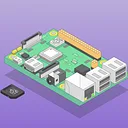
The Raspberry Pi Compute Module 4 I/O board is the perfect compliment to get you started working the Compute Module 4 line. The Compute Module plugs right into the I/O Board and provides a multitude of inputs and outputs for prototyping or evaluation needs.
The board includes 5v and 12v power connectors and 2 USB 2.0 connectors along with headers for two additional connectors. 2 HDMI full sized HDMI connectors and 2 MIPI DSI display FPC connectors provide support for displays along with 2 MIPI CSI-2 camera FPC connectors. It features the standard 40 pin Raspberry Pi HAT I/O connector as well. On board real time clock with back-up battery provides the ability to wake up the Compute Module 4. An RJ45 Ethernet jack provides access to the Compute Module’s gigabit Ethernet and the board also includes a PCIe GEN 2 socket. Various jumper headers offer the ability to hardware disable/enable features and another header provides support for fans.
Jargon buster
Plain-language definitions for the technical terms used above.
- DSI
- DSI stands for Display Serial Interface, a high-speed connection commonly used to send video data from a computer board to a display. It matters because DSI signals are not simple GPIO wires, so the cable, connector, and signal routing need to match the display interface.
- FPC
- FPC stands for flexible printed circuit, a thin flat flexible cable or connector style often used where space is tight or some movement is needed, commonly for displays, cameras and other high-density connections. Connecting to an FPC connector generally needs a matching cable with the correct pin count, pitch and contact orientation.
- HDMI
- HDMI is a common digital video and audio connection used by computers, media players, and many displays. If a display kit has HDMI input, it is usually much easier to test with a single-board computer because it can act like a normal monitor.
- Headers
- Rows of connector contacts on a fixed pitch (commonly 2.54 mm) used to link a board to a breadboard, jumper wires, or another board. They come as male pin headers and female socket headers; when a module ships with pre-soldered headers it can be used straight away, whereas bare pads require soldering the pins yourself.
- MIPI
- MIPI is a high-speed display and camera interface often used inside phones, tablets, and embedded devices. It matters because raw MIPI displays usually need special driver hardware or software support, unlike plug-and-play HDMI screens.
- RJ45
- The common plug and socket style used for wired Ethernet network cables. If a board has an RJ45 connector, you can usually plug it into standard Ethernet cabling without making a custom connector.
- USB 2.0
- USB 2.0 is a widely used wired standard for carrying both data and power between a device and a computer or other compatible host, with data rates up to 480 Mbps. It indicates the kind of port a device uses and that it should work with most modern and many older computers.
Find this product in
Brands
Raspberry Pi
Raspberry Pi Compute Module 4 I/O Board Datasheet
Datasheet · 10.1 MB · Click any page to view full size
Supplier page — sparkfun.com
Supplier Description · 587.0 KB · Click any page to view full size
Resources & Downloads
Guides, code examples, and more
Related Tutorials
Free step-by-step guides