Raspberry Pi Ltd
Raspberry Pi Camera Cable Standard - Mini
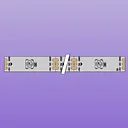
An adapter cable for connecting Raspberry Pi Camera modules to the Raspberry Pi 5. The Pi 5 uses a smaller 22-way, 0.5mm-pitch "mini" FPC connector for its t...
Get notified when back in stock
An adapter cable for connecting Raspberry Pi Camera modules to the Raspberry Pi 5. The Pi 5 uses a smaller 22-way, 0.5mm-pitch "mini" FPC connector for its two four-lane MIPI ports, while current Raspberry Pi cameras use the older 15-way, 1mm-pitch "standard" connector — this cable bridges the two formats.
Also compatible with the Compute Module Development Kit, which uses the same mini FPC format.
Key Features
- Mini-to-Standard Adapter – Converts between the 22-way 0.5mm-pitch mini connector (Pi 5 side) and the 15-way 1mm-pitch standard connector (camera side)
- Raspberry Pi 5 Compatible – Designed for the Pi 5's two four-lane MIPI camera connectors
- Multiple Lengths Available – Choose from 200mm, 300mm, or 500mm to suit your enclosure or project layout
- Camera-Only – Designed specifically for camera modules; not suitable for display connections
Ideal For
- Connecting Raspberry Pi Camera Module v2 or v3 to a Raspberry Pi 5
- Raspberry Pi HQ Camera setups with the Pi 5
- Compute Module Development Kit camera connections
- Custom enclosures requiring longer or shorter cable runs
Package Contents
- 1× Raspberry Pi Camera Cable (Standard to Mini)
Jargon buster
Plain-language definitions for the technical terms used above.
- FPC
- FPC stands for flexible printed circuit, a thin flat flexible cable or connector style often used where space is tight or some movement is needed, commonly for displays, cameras and other high-density connections. Connecting to an FPC connector generally needs a matching cable with the correct pin count, pitch and contact orientation.
- MIPI
- MIPI is a high-speed display and camera interface often used inside phones, tablets, and embedded devices. It matters because raw MIPI displays usually need special driver hardware or software support, unlike plug-and-play HDMI screens.
Find this product in
Raspberry Pi