Kitronik
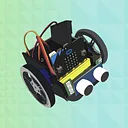
Kitronik Mai-Z the MouseBot for BBC micro:bit - Single Unit
Mai-Z is a programmable robot buggy for the BBC micro:bit, designed for young coders aged 8–14. With line-following sensors, distance detection, edge sensors...
Get notified when back in stock
Mai-Z is a programmable robot buggy for the BBC micro:bit, designed for young coders aged 8–14. With line-following sensors, distance detection, edge sensors, programmable LEDs, and precision motor control, it teaches coding through interactive, hands-on projects.
Program Mai-Z using MakeCode's block-based editor, or use the optional Screen-Free Programming pack for unplugged coding. The motors are engineered for accurate straight-line driving, precise turns, and controlled distances.
Key Features
- Line-Following Sensors – Follow paths and tracks
- Distance Sensor – Detect and avoid obstacles
- Edge-Detecting Sensors – Prevent falls from tables
- 4× ZIP LEDs – Programmable RGB lighting
- Onboard Speaker – Sound effects and audio feedback
- Pen Holder & Scoop – Draw shapes and play games
- Precision Motors – Accurate straight-line driving and turns
- USB-C Rechargeable – Built-in LiPo battery
Programming Options
- MakeCode block-based coding
- MakeCode CreateAI (gesture control)
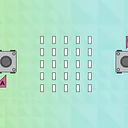
- Screen-Free Programming (optional add-on pack)
Ideal For
- Students aged 8–14 learning to code
- Coding clubs and STEM lessons
- Home learning and maker projects
- UK and US curriculum-aligned teaching
Specifications
- Dimensions – 117 × 105 × 45mm
- Power – USB-C rechargeable LiPo (5V, 1A charger required)
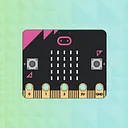
- Compatibility – BBC micro:bit V1/V2
Package Contents
- 1× Kitronik Mai-Z MouseBot
- 1× USB-A to USB-C charging cable (20cm)
- 1× A6 fold-out sheet (instructions + line-following track)
Jargon buster
Plain-language definitions for the technical terms used above.
- LiPo
- A LiPo (lithium polymer) battery is a rechargeable lithium battery widely used in portable projects because it is light and compact. LiPo cells need correct charging circuitry and careful handling to stay safe, so equipment that supports LiPo generally includes charging or protection hardware suited to that battery type.
- RGB
- Short for red, green and blue, the three primary colours of light that are mixed in varying amounts to make a wide range of colours. In electronics RGB can refer to an LED or pixel that blends these three colours, or to a colour signal or interface that carries separate red, green and blue channels.
- USB-C
- USB-C is a small, reversible USB connector that can carry power, data and, on some devices, video over a single cable. The same connector can range from charging only to high-speed data, so the functions a given port actually supports vary.
Find this product in
micro:bit
STEM & Education
Related Tutorials
Free step-by-step guides