

Crack the Code Components Kit Only
Would like to see more resistors in the pack for the LEDs. There are more than enough 10K ohm resistors but not enough 220 ohm resistors.
Joanne Hadley
/products/{handle}.md)
and JSON
(/products.json, /products/{handle}.json).
Due to the public holiday, customer service is closed until 10 am October 6th.
Little Bird
Already run the Crack the Code unit of work and want to replenish your component box? At Little Bird Electronics we have put together a replenishment kit ...
Crack the Code · Interactive learning path
Bring your kit to life with 20 guided projects. Start with your first blinking LED, then explore sensors, sound and a working pedestrian crossing.
Explore the parts. Follow the steps. Make something happen.
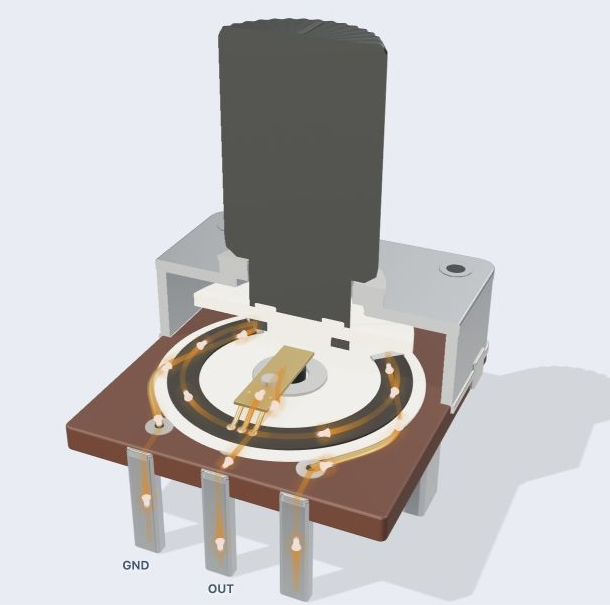
Rotate the models, reveal their insides and watch components respond. Follow current through a knob, press a button or shine light on a sensor.
Work through wiring, explained code and checks in order. Start with a working example, change something, then test your idea on the real kit.
Use the English IDE to turn plain-English instructions into Arduino C++. Inspect the code, then Verify and Upload to your Uno from desktop Chrome.
Plain-language definitions for the technical terms used above.
Find this product in
Sensors & Input
STEM & Education
Free step-by-step guides

Hi, I'm Maddy. My team and I are ready to help with your order or any questions.



