Adafruit
Raspberry Pi Zero W Starter Pack - Includes Pi Zero W
·
Remember those cereal commercials that would always say, "part of a complete breakfast"? Well the Pi Zero's a lot like that bowl of cereal - while it...
Get notified when back in stock
Remember those cereal commercials that would always say, "part of a complete breakfast"? Well the Pi Zero's a lot like that bowl of cereal - while it's great on its own, you need a lot of accessories to make it a complete meal.
The Pi Zero W Starter Pack is everything you need to get going with your WiFi-enabled Pi Zero W and make it a complete meal.
Note: Due to popular demand, there might be some delay in shipping products containing Pi Zero W!
This full-featured pack includes:
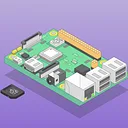
- Raspberry Pi Zero W - the type of low-cost game-changing product Raspberry Pi's known for - the super light, super lean microcomputer we've come to know and love, but now with built-in WiFi.
- 8GB MicroSD Card (may come with NOOBS 2.0) - the fastest way to have a variety of operating systems on your Pi. Since NooBs has recently updated to add Pi Zero W support we recommend reformatting/burning NooBs on from scratch if your Pi Zero doesn't run!
- Adafruit Pi Zero Enclosure - Adafruit's classic, sturdy plastic enclosure. Keeps your Pi Zero safe and sleek.
- Mini HDMI to HDMI Adapter - Will let you convert the little port on the Zero to a standard sized HDMI jack. You can get 1080P HDMI video + audio out of this little computer!
- USB OTG Cable - Lets you plug in a normal USB device such as WiFi dongle, USB hub, keyboard, mouse, etc into the Zero.
- 5V 1A Power Supply & USB A/Micro B Cable OR 5V 2A Power Supply w/ Micro USB Cable - the best way to power up your Pi Zero with a stable 5V power supply that won't vary or sag.
- Assembled Pi T-Cobbler Plus - Solder in the classic 2x20 male header & connect your GPIO cable, and breakout all that tasty power onto a solderless breadboard.
- 2x20 Male Header - Solder this in to plug in Pi HATs, GPIO cables, etc as you would into a normal Pi.
- 2x20 Female Header - This one's neat - if you solder on a 2x20 female header 'upside down' you can plug the Pi right into the T-Cobbler in an adorable fashion! No GPIO cable required.
- 2x20 Female Header (right angle) - Kinda like the above but the Pi sticks right up.
- USB Console cable - if you're not going to stick an HDMI monitor on there, then this is essential, you connect the wires to the GPIO pins and log in over a serial console. It's the easiest & fastest way to get on your Pi.
We also strongly recommend some other parts and pieces to make your Pi Zero computing experience easier (THESE ARE NOT INCLUDED!)
- USB Powered Hub - So you can plug in any kind of USB devices without overloading the Zero's power supply. (You can also, ironically, power the Zero from the hub itself by plugging in a micro USB cable into the hub)
- Mini Wireless Keyboard w/Trackpad - Requires only one USB port, which makes it a great match for the Pi Zero
- Wireless Keyboard + Mouse set - Also requires only one USB port, but for everyday use.
- Ethernet Hub and USB Hub w/ Micro USB OTG Connector - One can never have enough socks, or USB ports. Add some more USB and Ethernet capability to your Raspberry Pi Zero!
Jargon buster
Plain-language definitions for the technical terms used above.
- breakout
- A breakout board carries a small or fine-pitched component and brings its connections out to standard, breadboard- and header-friendly pins. Describing a part as a breakout means it can be wired into a project without soldering directly to the component's tiny contacts.
- GPIO
- General-purpose input/output pins are microcontroller pins you can set in software to read signals, switch devices on and off, or connect to peripherals. The number of GPIO pins matters because it limits how many buttons, LEDs, sensors, and other parts you can wire directly to the board.
- HDMI
- HDMI is a common digital video and audio connection used by computers, media players, and many displays. If a display kit has HDMI input, it is usually much easier to test with a single-board computer because it can act like a normal monitor.
- microSD card
- A microSD card is a small removable flash memory card used to store data such as audio, images, logs or program files. Its capacity and formatting (often FAT32 or exFAT) affect how much can be stored and whether the card needs preparing before use.
- solderless breadboard
- A reusable board with rows of internally connected holes for building circuits by pushing in components and jumper wires, with no soldering required. It lets you prototype and rewire a circuit quickly and reversibly before committing to a permanent, soldered build.
Find this product in
Brands
Raspberry Pi
STEM & Education
Related Tutorials
Free step-by-step guides