AI agents & screen readers: for a machine-readable, text-only catalogue,
start at /llms.txt.
Products are available as Markdown
(/products.md, /products/{handle}.md)
and JSON
(/products.json, /products/{handle}.json).
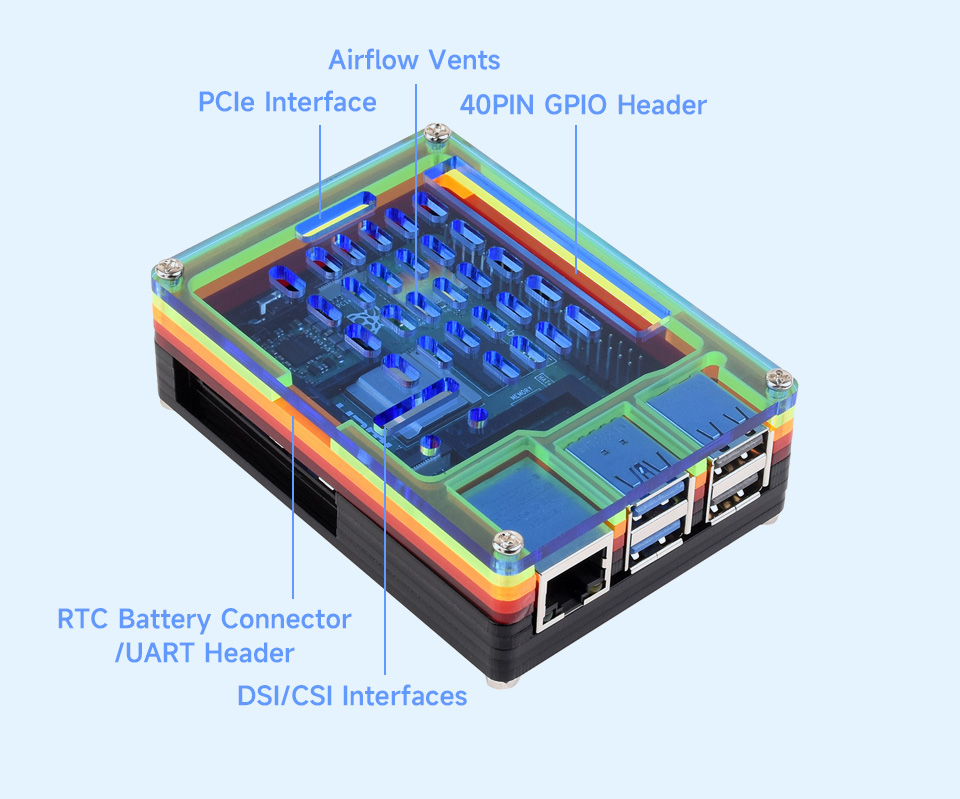
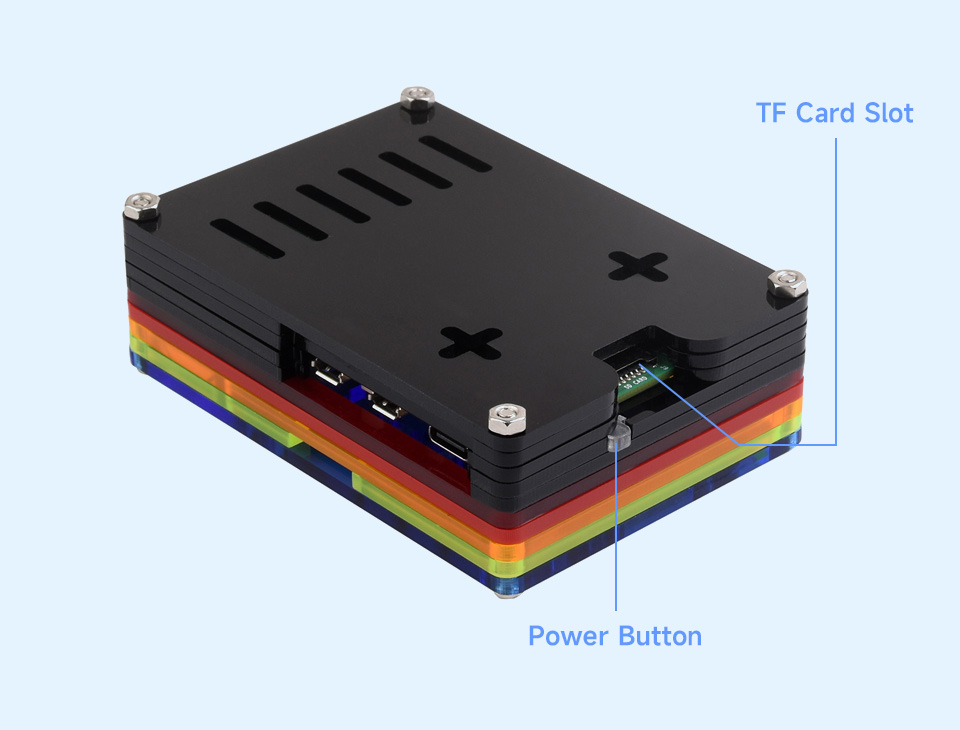
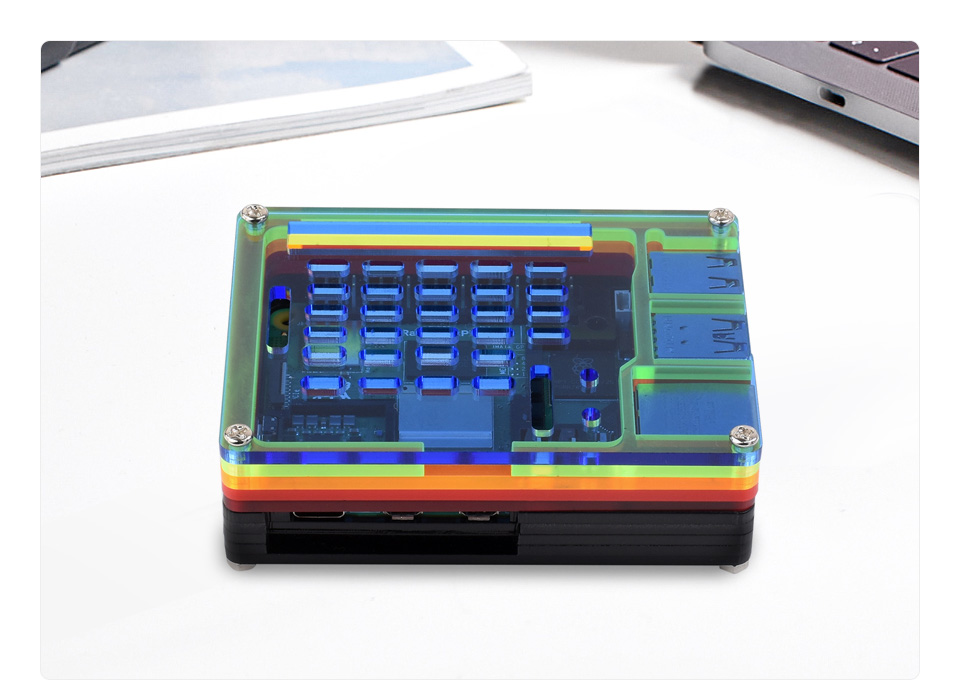
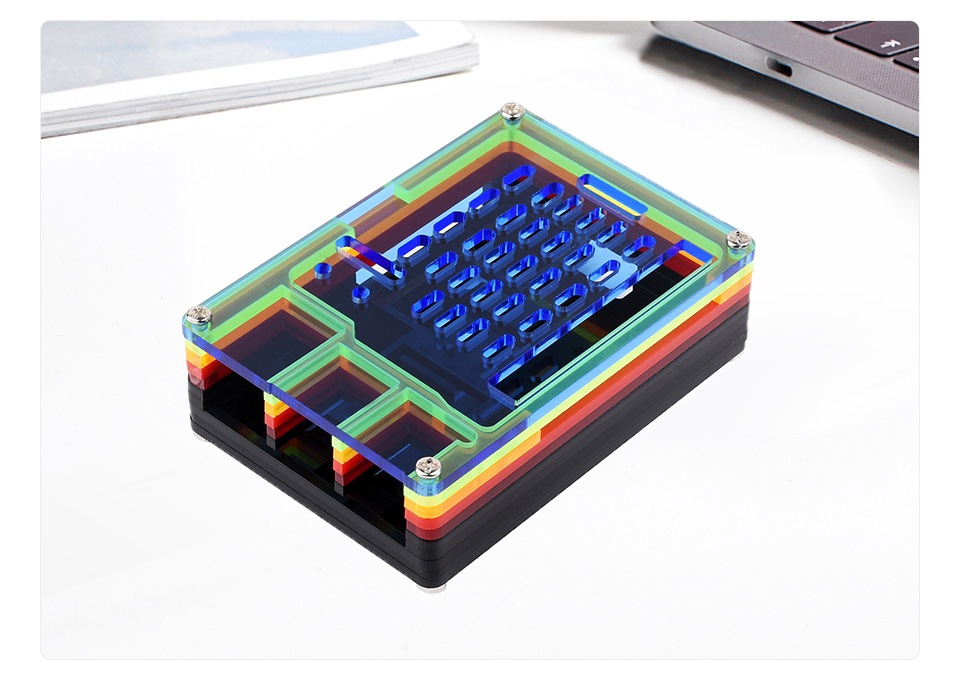
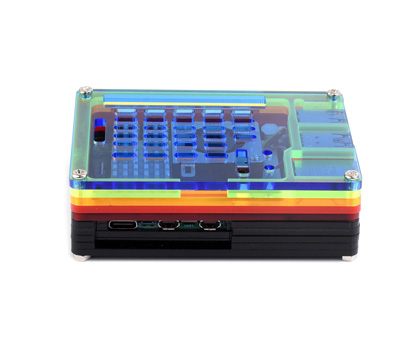
Openings For 40PIN GPIO, PCIe, DSI/CSI Interfaces And Airflow Vents On The Top And For RTC Battery Connector/UART Header On The Side, With Power On/Off But...
Openings For 40PIN GPIO, PCIe, DSI/CSI Interfaces And Airflow Vents On The Top And For RTC Battery Connector/UART Header On The Side, With Power On/Off Button. Easy To Pull & Plug TF Card On The Bottom
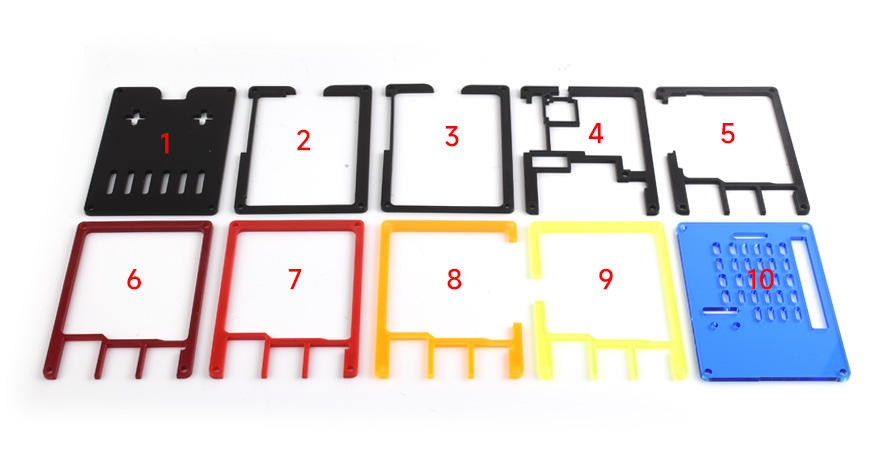
Product Show
* for reference only, please refer to the Package Content for detailed part list
How To Install - you must do these steps in the correct order!! Do not install the Active cooler till step 2
The Case Consists Of 10 Layers Of Acrylic Panels, Please Install According To The Following Steps
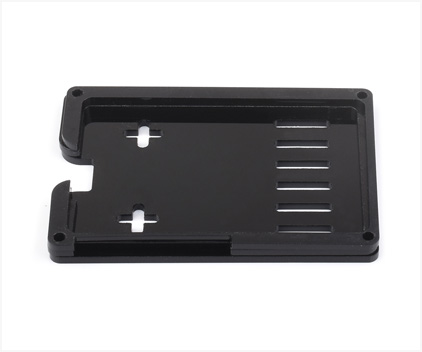
1. Place the 1st, 2nd, and 3rd acrylic panels in order as shown, then place the Raspberry Pi 5 board.
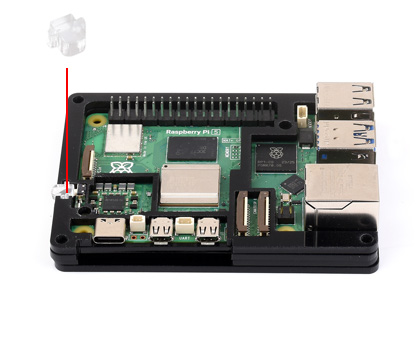
2. Place the 4th acrylic panels on the Raspberry Pi 5, then install the power button.
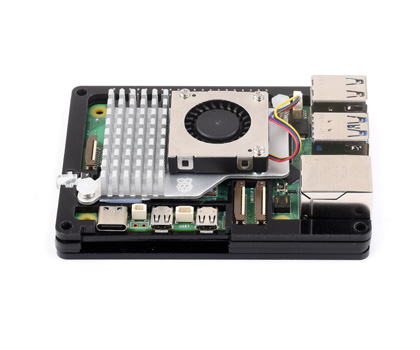
3. Install the active cooler on the Raspberry Pi 5.
4. Place the 5th to 10th acrylic panels in order and fix them via screws, then install the nonskid rubber pads to the bottom.
* for reference only, the Raspberry Pi 5 and active cooler are NOT included. if you need to install peripherals such as a camera and DSI display, please connect the peripheral cables first before installing the 10th acrylic panel.
Jargon buster
Plain-language definitions for the technical terms used above.
DSI
DSI stands for Display Serial Interface, a high-speed connection commonly used to send video data from a computer board to a display. It matters because DSI signals are not simple GPIO wires, so the cable, connector, and signal routing need to match the display interface.
GPIO
General-purpose input/output pins are microcontroller pins you can set in software to read signals, switch devices on and off, or connect to peripherals. The number of GPIO pins matters because it limits how many buttons, LEDs, sensors, and other parts you can wire directly to the board.
RTC
A Real-Time Clock keeps track of time even when the main processor is asleep or powered down, usually with a small backup battery. It matters for data logging and tracking projects that need accurate timestamps.
UART
UART is a simple asynchronous serial interface that sends data over separate transmit and receive wires, usually labelled TX and RX, with both ends set to the same baud rate. It is a common way for microcontrollers and other serial devices to exchange data.
No reviews yet
Be the first to review this one.
Bought this? Tell people what you think
You don't need an account.
Questions & answers
No questions yet. If something isn't clear from the description, ask — the answer goes on this page for everyone who wonders the same thing.
j / ↓Move selection downk / ↑Move selection upgJump to first itemGJump to last itemaAdd selected to cartoOpen in new browser tabuToggle unavailable productsBackspaceRemove 1 qty (cart tab)XClear entire cartcCheckout/Search productsEscBack / cancel / close:Command mode?Toggle this help1-3Switch tabs