Seeed Studio
Grove Shield for micro:bit v2.0
Connect a micro:bit to the Grove ecosystem with this plug-and-play extension board from Seeed Studio. Its four onboard Grove ports make it easier to add modu...
Get notified when back in stock
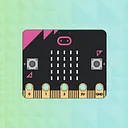
Connect a micro:bit to the Grove ecosystem with this plug-and-play extension board from Seeed Studio. Its four onboard Grove ports make it easier to add modules such as sensors, actuators, communication devices and displays to projects.
The shield also reserves four extra pinouts for additional Grove connectors. P0, P1 and P2 remain accessible for touch-based projects, and the edge connections accept crocodile clips or 4 mm banana plugs. An onboard micro USB port can power the micro:bit through the shield.
Version 2.0 has a connector with hidden pins and moves the electrical components from the back of the board to the front to help avoid damage from contact with the table.
Features:
- Grove connections: 4 Grove ports covering different interfaces.
- Edge connections: Accepts crocodile clips and 4 mm banana plugs.
- USB power: Onboard USB port to power a micro:bit.
Jargon buster
Plain-language definitions for the technical terms used above.
- Grove
- Grove is a standardised 4-pin plug-in connector system for sensors and modules that avoids soldering and jumper wires, with different cable types carrying I2C, UART, analogue or digital signals. When a product is Grove-compatible it can be quicker to connect supported modules, provided the connector type, signal and voltage all match.
- Shield
- An add-on board that plugs into a main controller board to give it extra features such as sensing, motor control or communication. Knowing a product supports shields helps you judge whether it can connect neatly into an existing maker-board setup.
Find this product in
Related Tutorials
Free step-by-step guides