

Elecrow
ESP Terminal- 3.5 inch 480x320 SPI TFT capacitive touch display with OV2640 camera
All Products
ESP32 & IoT
New Arrivals
Circuitry & IOT
ESP32 Development Boards
Microcontrollers & Development Boards
ESP32 Displays
Cameras
ESP32
Digital Technologies
Microcontrollers
$90.20
|
Only 2 left
This handheld terminal is based on the ESP32 controller, equipped with a powerful ESP32-S3 chip, and supports 2.4GHz Wi-Fi and Bluetooth 5 (LE), providing...
Get notified when back in stock
Estimated Delivery
Arrives
Order now — ships Tue 6 Oct
Disclaimer
Secure checkout
This handheld terminal is based on the ESP32 controller, equipped with a powerful ESP32-S3 chip, and supports 2.4GHz Wi-Fi and Bluetooth 5 (LE), providing more powerful computing and processing capabilities for IoT terminal applications. It is suitable for various scenarios, such as industrial IoT control terminals, smart agricultural terminals, personal smart home monitoring terminals, and personal DIY projects.
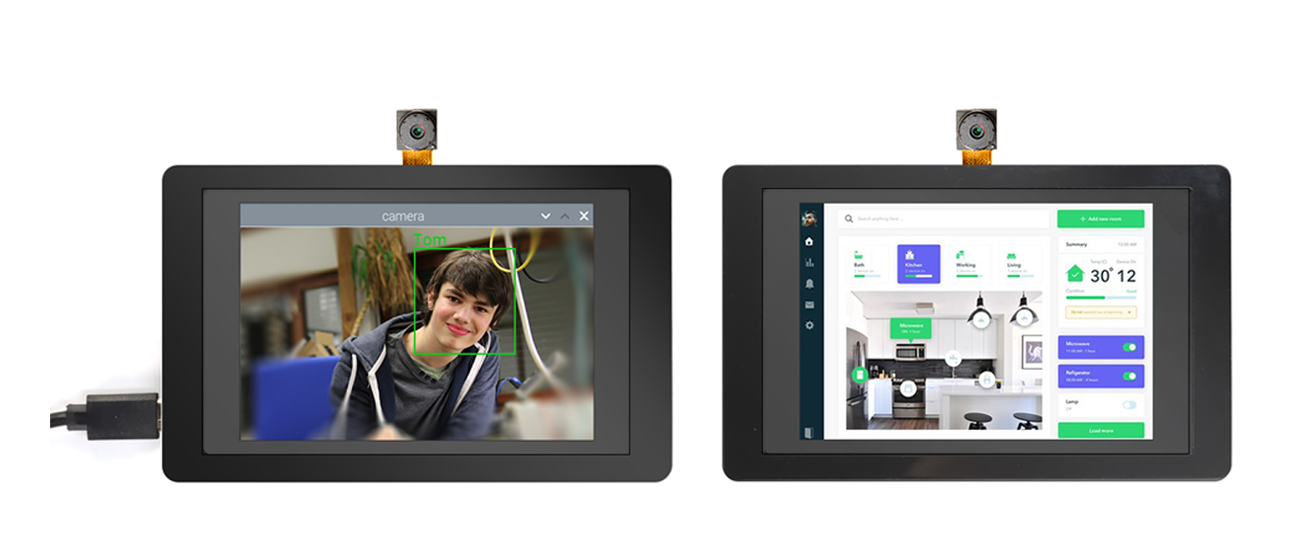
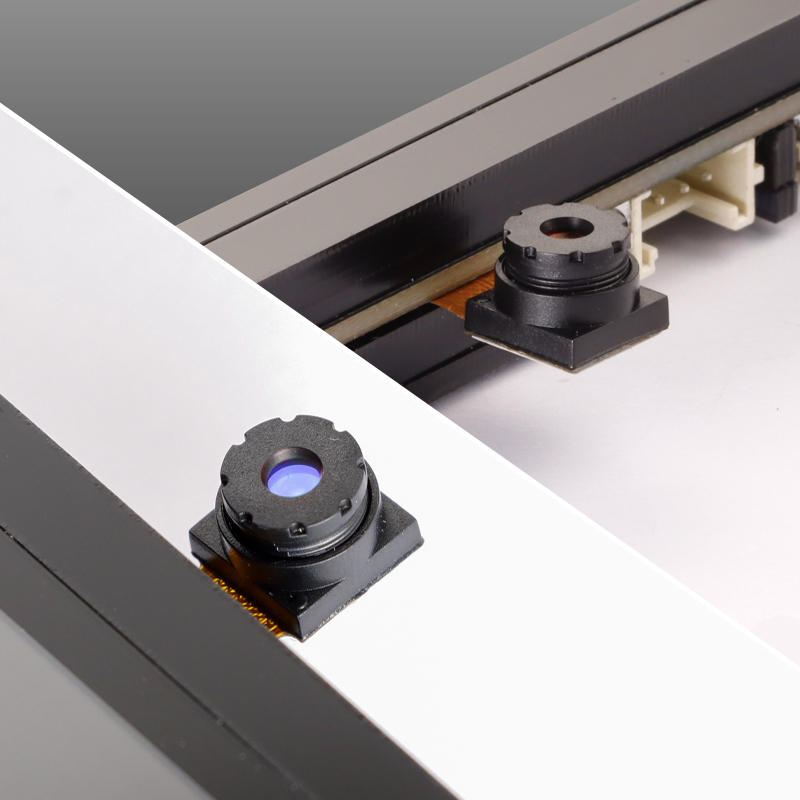
Thanks to the scalability of the ESP32-S3-N16RB module, it can lead to various interfaces. It not only has Crowtail's digital port, analog port, UART, and IIC interface, but also integrates a MEMS microphone, camera interface, and buzzer function. It supports ESP-IDF and Arduino IDE development and is compatible with Python/Micropython/Arduino. It also supports LVGL, which is the most popular free and open-source embedded graphics library to create beautiful UIs for any MCU, MPU, and display type. With the 2M pixel camera, it can easily realize face/object/scene recognition and provide more creativity in cutting-edge projects such as speech recognition/voice control.
The equipped screen adopts SPI serial screen with 320*480 resolution, and the size of 3.5 inches is the best choice as a handheld/pocket terminal. The frame rate of the screen is up to 20FPS, which is sufficient for most application scenarios. If you have higher requirements for the screen, you can try this RGB screen.
The whole terminal is surrounded by a perfect acrylic shell, which makes the whole product look more beautiful. At the same time, it can also be fixed in other ways. With two M3 screw mounting holes, you can mount it on the wall or PLC rail.
Its compatibility with the Crowtail system can give your project an easier implementation method and the convenience of one-stop shopping.
- As a smart home central control screen, it can perform video surveillance and face recognition, allowing you to keep abreast of home dynamics.
Hardware Overview
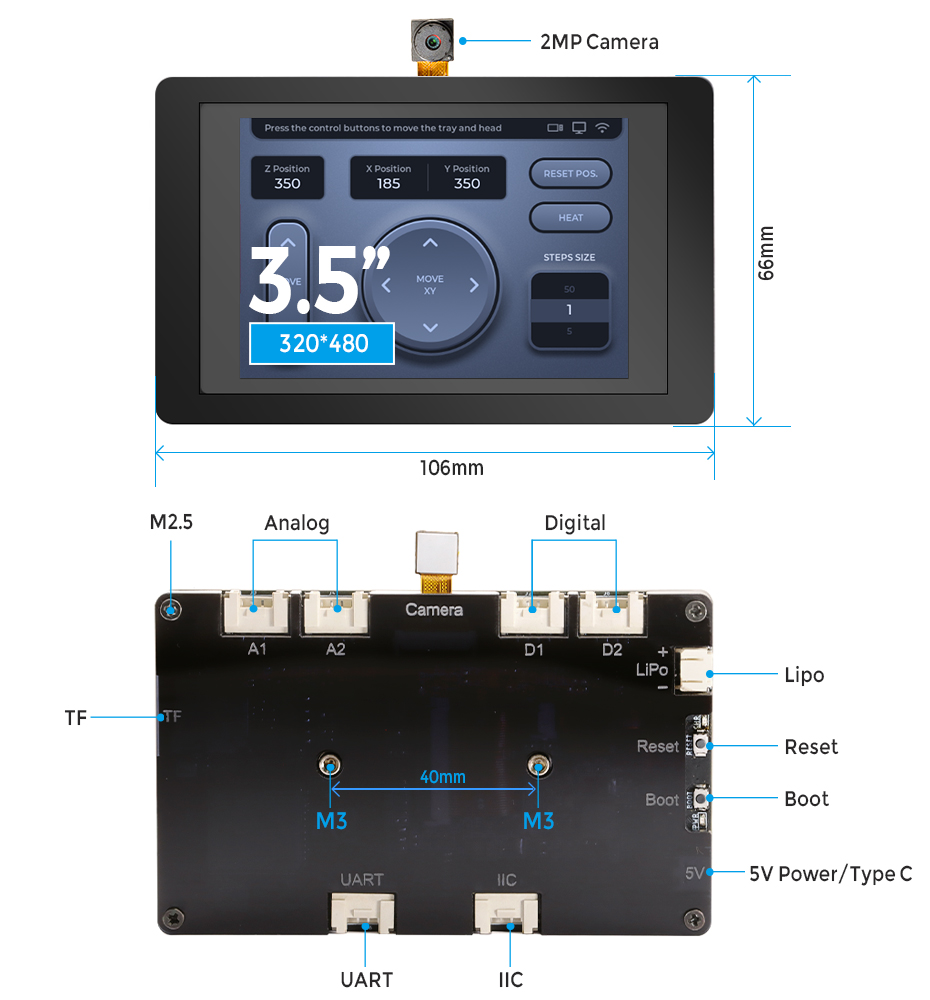
- REST button. Press this button to reset the system.
- LiPo port. Lithium battery charging interface (lithium battery not included)
- BOOT button. Hold down the Boot button and press the RESET button to initiate firmware download mode. Users can download firmware through the serial port
- 5V Power/Type C interface. It serves as the power supply for the development board and the communication interface between the PC and ESP-WROOM-32.
- 6 Crowtail interfaces(2*Ana,2*Dig,1*UART,1*IIC). Users can program the ESP32-S3 to communicate with peripherals connected to the Crowtail interface.
Feature
- Integrated ESP32-S3 module, which is support 2.4 GHz Wi-Fi and Bluetooth 5 (LE)
- 5 inch TFT 320*480 resolution touch LCD display
- Support, USB, UART, SPI, I2C, PWM, and I2S communication protocols
- Supports 1T1R mode, data rate up to 150 Mbps, Wireless Multimedia (WMM)
- Compatible with Arduino/Micropython/Python
- Supports hardware accelerated encryption (AES, SHA2, ECC, RSA-4096)
- Support TYPE-C USB power supply and polymer lithium battery power supply with 6 Crowtail interfaces (4P 2.0 connector), plug and play with various Crowtail sensor
Specification
Main Chip | Core Processor | Xtensa® 32-bit LX7
Memory | 16MB Flash 8MB PSRAM
Maximum Speed | 240Mhz
Wi-Fi | 802.11 a/b/g/n 1x1,2.4 GHz band supports 20 and 40 MHz bandwidth, Supports Station, SoftAP, and SoftAP + Station mixed modes.
Bluetooth | BLE 5.0
LCD Screen | Resolution | 320*480
Display Size | 3.5 inch
Drive IC | ILI9488
Touch | Capacitive Touch
Interface | SPI Interface
Other Modules | Camera | OV2640
Microphone | MEMS Microphone
SD Card | Onboard SD Card Slot
Interface | 1x USB C
1x UART
1x I2C
2x Analog
2x Digital
Button | REST Button | Press this button to reset the system.
BOOT Button | Hold down the Boot button and press the EN button to initiate firmware download mode. Users can download firmware through the serial port.
Operating Environment | Operating Voltage | USB DC5V, lithium battery 3.7V
Operating Current | Average current 83mA
Operating Temperature | -10°C ~ 65°C
Active Area | 73.63(L)*49.79mm(W)
Dimension Size | 106(L)x66mm(W)*13mm(H)
Memory | 16MB Flash 8MB PSRAM
Maximum Speed | 240Mhz
Wi-Fi | 802.11 a/b/g/n 1x1,2.4 GHz band supports 20 and 40 MHz bandwidth, Supports Station, SoftAP, and SoftAP + Station mixed modes.
Bluetooth | BLE 5.0
LCD Screen | Resolution | 320*480
Display Size | 3.5 inch
Drive IC | ILI9488
Touch | Capacitive Touch
Interface | SPI Interface
Other Modules | Camera | OV2640
Microphone | MEMS Microphone
SD Card | Onboard SD Card Slot
Interface | 1x USB C
1x UART
1x I2C
2x Analog
2x Digital
Button | REST Button | Press this button to reset the system.
BOOT Button | Hold down the Boot button and press the EN button to initiate firmware download mode. Users can download firmware through the serial port.
Operating Environment | Operating Voltage | USB DC5V, lithium battery 3.7V
Operating Current | Average current 83mA
Operating Temperature | -10°C ~ 65°C
Active Area | 73.63(L)*49.79mm(W)
Dimension Size | 106(L)x66mm(W)*13mm(H)
Package List
- 1x 3.5 inch SPI Display with camera (included Acrylic Shell)
- 1x USB C Cable
Wiki & External links
- Wiki
- Source code
- LVGL Reference
- ESP32-S3 Datasheet
- ILI9488 Datasheet
- Capacitive Touch Display Datasheet
- OV2640 Datasheet
Jargon buster
Plain-language definitions for the technical terms used above.
- BLE
- BLE stands for Bluetooth Low Energy, a Bluetooth mode designed for low power use and broad compatibility with modern phones and computers. It connects well to battery-powered and mobile devices, including Apple hardware, though it behaves differently from Bluetooth Classic and its serial-style profiles.
- ESP-IDF
- ESP-IDF is Espressif’s official software development framework for ESP32-family chips. It gives more direct control over the hardware than beginner-style environments, which can help with advanced features like Wi-Fi, Bluetooth, audio and power management.
- ESP32
- ESP32 is a family of low-cost microcontroller chips and modules from Espressif with built-in WiFi and Bluetooth. They support programmable firmware and over-the-air updates, and are commonly programmed with toolchains such as the Arduino core and ESP-IDF.
- I2C
- I2C is a two-wire communication bus used by many sensors and small modules. It matters because several I2C devices can share the same two wires, but each device needs a compatible address and your controller must support I2C.
- I2S
- I2S is a digital audio interface used to send sound data between chips, such as from a microcontroller to an audio amplifier or DAC. It matters if your project needs cleaner digital audio output than a basic buzzer or PWM signal can provide.
- IDE
- Short for Integrated Development Environment, a program used to write, run and manage code. It matters because some learners prefer a traditional coding workspace instead of a guided notebook-style lesson.
- IoT
- Short for Internet of Things, meaning physical devices that connect to networks or the internet to send data or be controlled remotely. It matters if you want projects such as connected sensors, remote controls or classroom data-logging activities.
- LCD
- LCD stands for liquid crystal display, a screen technology that uses a backlight and liquid crystals to show images or text. It matters because LCD modules usually need a display driver and enough controller pins or a bus interface to send image data.
- LiPo
- A LiPo (lithium polymer) battery is a rechargeable lithium battery widely used in portable projects because it is light and compact. LiPo cells need correct charging circuitry and careful handling to stay safe, so equipment that supports LiPo generally includes charging or protection hardware suited to that battery type.
- MEMS microphone
- A tiny microphone made using micro-electromechanical systems, the same style of miniature manufacturing used in many phone sensors. It lets the board detect sound without needing an external microphone, which is useful for noise-reactive projects and simple audio input.
- MicroPython
- A version of the Python programming language made to run on microcontrollers. It matters because it lets beginners write readable code to control LEDs, sensors, motors and displays without needing to start with lower-level languages.
- MPU
- MPU can refer to a few different things in electronics: a microprocessor unit (a processor powerful enough to run a full operating system such as Linux, with external memory and storage), a motion-processing unit like the MPU-6050 or MPU-9250 inertial sensor modules, or a memory protection unit built into some microcontrollers. The intended meaning depends on the surrounding context.
- PWM
- Pulse Width Modulation is a way for a digital pin to simulate variable output power by switching on and off very quickly. It matters for controlling things like LED brightness, motor speed, or servo-style signals from a microcontroller pin.
- SPI
- A fast serial communication bus often used for displays, memory cards, and sensors. It matters because SPI devices need specific pins for clock and data, plus a separate chip-select line for each device.
- TFT
- A thin-film transistor display is a common type of colour LCD used for graphics screens. Knowing a product is for TFTs helps you check that the driver board matches the display’s connector, resolution, backlight, and signalling method.
- Type-C
- USB Type-C (USB-C) is a small, reversible USB connector used for charging, power, and data transfer on many modern devices. A Type-C port or plug indicates the cable and charger connection needed to power, charge, or communicate with a device.
- UART
- UART is a simple asynchronous serial interface that sends data over separate transmit and receive wires, usually labelled TX and RX, with both ends set to the same baud rate. It is a common way for microcontrollers and other serial devices to exchange data.
Find this product in

