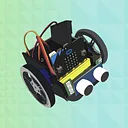
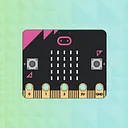
Micro:bit is a tiny programmable computer, designed to make learning and teaching easy and fun! It’s widely used in schools around the world and can be easily coded from any web browser in Blocks, JavaScript, Python, Scratch and more. To get you off to a flying start we include an easy to follow tutorials book which guides you to program the micro:bit.
This Micro:bit basic kit is created to help students get started with electronics and programming. It has frequently used DIY electronics parts and step-by-step lessons. It includes 10 practical electronic projects, you can understand the electronics and obtain programming skills through hands-on learning.


Features
- Includes a printed guidebook, comes with 10 lessons.
- 10 awesome lessons to let you get started easily.
- No soldering required, just built your circuit on the breadboard.
Lessons
- Light the LED
- Traffic light
- Control the light switch and brightness
- Lest the buzzer sound
- Fire alarm
- Self-lock switch to control the motor
- Fire extinguishing
- Light the RGB LED
- Shaking to light the RGB LED
- Electronic thermometer
Package list
- Micro:bit GPIO extension board x 1
- Micro USB cable x 1
- Battery case x 1
- Red/ yellow/ green LED x 10
- RGB LED x 1
- Motor with fan x 1
- Buzzer x 1
- Potentiometer x 1
- Flame sensor x 1
- 330Ω/ 1kΩ/ 10kΩ Resistor x 10
- S9013 triode x 2
- Self-lock switch x 1
- Button x 4
- Breadboard x 1
- Jumper wire x 30
- Alligator Cable x 5
- Tutorial x 1
Wiki & External links
Jargon buster
Plain-language definitions for the technical terms used above.
- GPIO
-
General-purpose input/output pins are microcontroller pins you can set in software to read signals, switch devices on and off, or connect to peripherals. The number of GPIO pins matters because it limits how many buttons, LEDs, sensors, and other parts you can wire directly to the board.
- LED
-
A light-emitting diode (LED) is a small electronic component that emits light when current flows through it in the correct direction. Because it only conducts one way, its polarity matters, and a through-hole LED must be soldered the correct way around to light up.
- potentiometer
-
A variable resistor usually turned with a knob or shaft to create an adjustable electrical signal. It is often used for inputs such as volume, brightness or position, so it helps beginners learn how a microcontroller reads changing values.
- RGB
-
Short for red, green and blue, the three primary colours of light that are mixed in varying amounts to make a wide range of colours. In electronics RGB can refer to an LED or pixel that blends these three colours, or to a colour signal or interface that carries separate red, green and blue channels.