ElecFreaks
Acrylic Case Shell Enclosure Computer Box For Microbit with Two AA Battery Holder
All Products
Circuitry Accessories
New Arrivals
Enclosures & Hardware
Micro:bit Battery Packs and Cases
Brands and Manufacturers
micro:bit
Elecfreaks
Classroom Resources
Digital Technologies
$5.30
|
Out of stock
A crystal-clear acrylic enclosure for the BBC micro:bit with an integrated 2×AA battery holder on the back. The two-piece case wraps the micro:bit while leav...
Get notified when back in stock
Estimated Delivery
Arrives
Disclaimer
Secure checkout
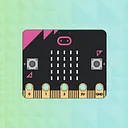
A crystal-clear acrylic enclosure for the BBC micro:bit with an integrated 2×AA battery holder on the back. The two-piece case wraps the micro:bit while leaving the A and B buttons and edge connector gold fingers fully exposed for easy access.
Key Features
- Material – Crystal acrylic, two-piece snap-together design
- Battery Holder – Integrated 2×AA holder on the back for portable projects
- Frosted LED Cover – Diffuses the 5×5 LED matrix for softer, easier-to-read output
- Full Button Access – A and B buttons remain exposed and easy to press
- Edge Connector Access – Gold fingers remain exposed for plugging into breakout boards
- Board Protection – Guards against scratches, abrasion, and accidental damage
Note: micro:bit board and AA batteries are not included.
Ideal For
- Portable micro:bit projects powered by AA batteries
- Classroom and educational use where boards need protection
- Wearable and on-the-go micro:bit applications
Package Contents
- 1× Crystal acrylic case with 2×AA battery holder
Jargon buster
Plain-language definitions for the technical terms used above.
- breakout
- A breakout board carries a small or fine-pitched component and brings its connections out to standard, breadboard- and header-friendly pins. Describing a part as a breakout means it can be wired into a project without soldering directly to the component's tiny contacts.
- LED
- A light-emitting diode (LED) is a small electronic component that emits light when current flows through it in the correct direction. Because it only conducts one way, its polarity matters, and a through-hole LED must be soldered the correct way around to light up.
Find this product in
Related Tutorials
Free step-by-step guides