

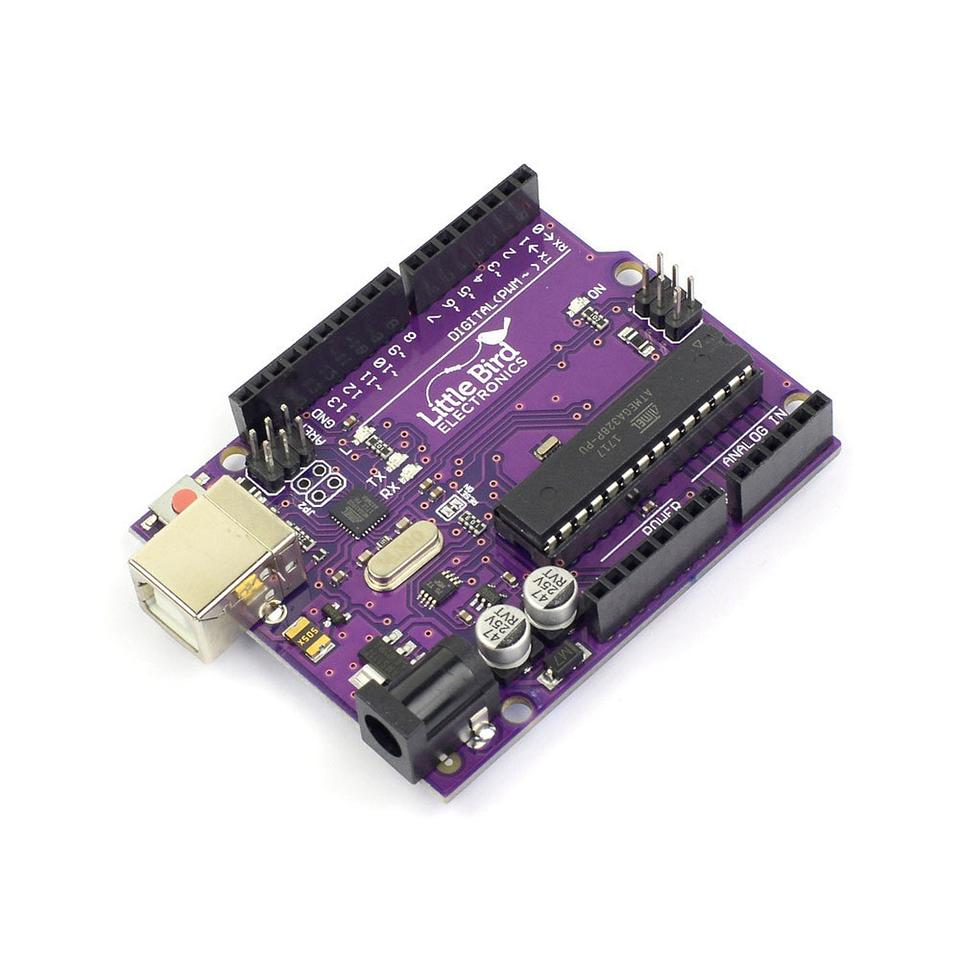
VCE Systems Engineering Unit 1 — Electrotechnological systems design
A full semester of Unit 1: students design, produce and evaluate an electrotechnological system that reduces water or energy use. Seven Plug-Run-Play activities — voltage divider, current limiting, light sensing, temperature logging, threshold control, hysteresis and automatic watering — build the skills first, then students run their own design project through the systems engineering process.
The design brief
Design, produce and evaluate an electrotechnological system that reduces the resources a household, school or community uses — water, energy, or both — by sensing conditions and acting on them automatically.
Your system must sense something real about its environment, decide what to do with that reading, and change an output as a result. It must keep working without someone standing over it.
For teachers
Lesson plans, VIC syllabus mapping, assessment rubric, prep & safety, differentiation.
Open teacher dashboardFor students
Step-by-step activities, code snippets you can copy, challenges, reflections — without the teacher's marking guide.
Open student homePresent in class
Lesson-by-lesson slide decks built for the projector — student-visible slides up front, speaker notes for the teacher.
Open presentation decksThe 18-week arc
-
1Identifying & defining
Weeks 1-2 — Systems, inputs and outputs
Describe any device as input, processing and output, and tell an open-loop system from a closed-loop one.
-
2Identifying & defining
Weeks 2-4 — How electrotechnology got here, and what it costs
Explain how one line of electrotechnological development unfolded, and weigh the impacts of a component choice.
-
3Researching & planning
Weeks 4-6 — Components, symbols and circuits
Read and draw a circuit in several representations, and predict its behaviour before building it.
-
4Researching & planning
Weeks 6-8 — Sensing the world
Turn a physical quantity into a number a microcontroller can use, and judge whether that number is trustworthy.
-
5Researching & planning
Weeks 8-10 — Control, feedback and code
Make a system decide: read a sensor, apply a threshold, drive an output, and stop it chattering.
-
6Identifying & defining
Weeks 10-12 — Investigating and defining your own problem
Define a specific problem with a real user, and write evaluation criteria that can actually be measured.
-
7Researching & planning
Weeks 12-13 — Generating and designing
Generate genuinely different options, model them, and justify the one you choose.
-
8Researching & planning
Weeks 13-14 — Planning and managing
Plan production properly: sequence, timeline, milestones, materials, and the risks each process carries.
-
9Producing & implementing
Weeks 14-17 — Producing and implementing
Build the system, test each part as you go, and record what you changed and why.
-
10Testing & evaluating
Weeks 17-18 — Diagnostic testing and evaluation
Test the finished system properly and judge it honestly against the criteria you set.
Pick a role above to see the lesson-by-lesson detail. The teacher view shows prep, demo steps, misconceptions and evidence; the student view shows the activity itself.
